
Siem Reap’s Electric Bus Plans Are Moving Forward
Siem Reap has been talking about a public transport system for some time. The idea is now taking a more concrete step forward, with plans to introduce an electric bus network across three routes and around 33 stops.
The foundations for this have already been laid. Initial feasibility work dates back to 2021, with route alignments identified and supported by national authorities and development partners. On paper, the system is well defined.
But as is often the case with projects like this, the challenge is no longer defining what the system should look like. It is working out how to make it happen.
That is the point at which we have been brought in.
From concept to delivery
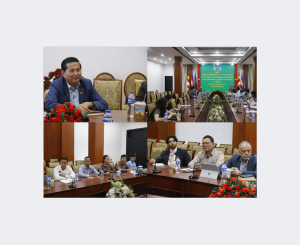
Following recent discussions with the Siem Reap Provincial Administration, we have been engaged to review the existing feasibility work and support the next stage of the project, particularly around procurement and delivery structuring.
The intention is to move towards a public-private partnership model that can take what has already been designed and turn it into an operational system.
This is a different type of problem. The routes are known, and the policy direction is clear, but translating that into a functioning service requires decisions on commercial structure, risk allocation, and how the system will actually be operated day to day.
These are the areas where projects often lose momentum, particularly when multiple stakeholders are involved and delivery responsibilities are not fully defined.
Why the system matters
In Siem Reap, the need for a structured system is clear. The city continues to rely on a mix of tuk-tuks, taxis and private vehicles, which provide flexibility but limited coordination.
As demand grows, particularly with tourism returning, that model becomes harder to manage. Movement concentrates along a small number of corridors, and there is limited visibility over how the system performs as a whole.
A formal bus network begins to address this. It introduces a level of predictability, improves safety, and creates the opportunity to manage flows more effectively.
In this case, the use of electric buses also supports wider ambitions around reducing emissions and positioning Siem Reap as a greener destination.
A broader shift for the city
The Provincial Administration has been explicit about that ambition. This is not simply about adding buses to the road. It is part of a broader shift towards a more structured, more coordinated urban system, with public transport playing a central role.
Where we sit
Our role sits within that transition. We are not starting from scratch, and we are not redefining the concept.
The work is about taking what already exists and making it deliverable ensuring that the project can move through procurement, attract the right partners, and operate in a way that is both practical and sustainable over time.
What happens next
The project has been in development for several years, but it is now entering a more critical phase.
The difference between a planned system and a functioning one often comes down to how well this stage is handled.
That is the focus of our engagement with Siem Reap.